The Fire Inside: Global HR Transformation Leader’s Perspective
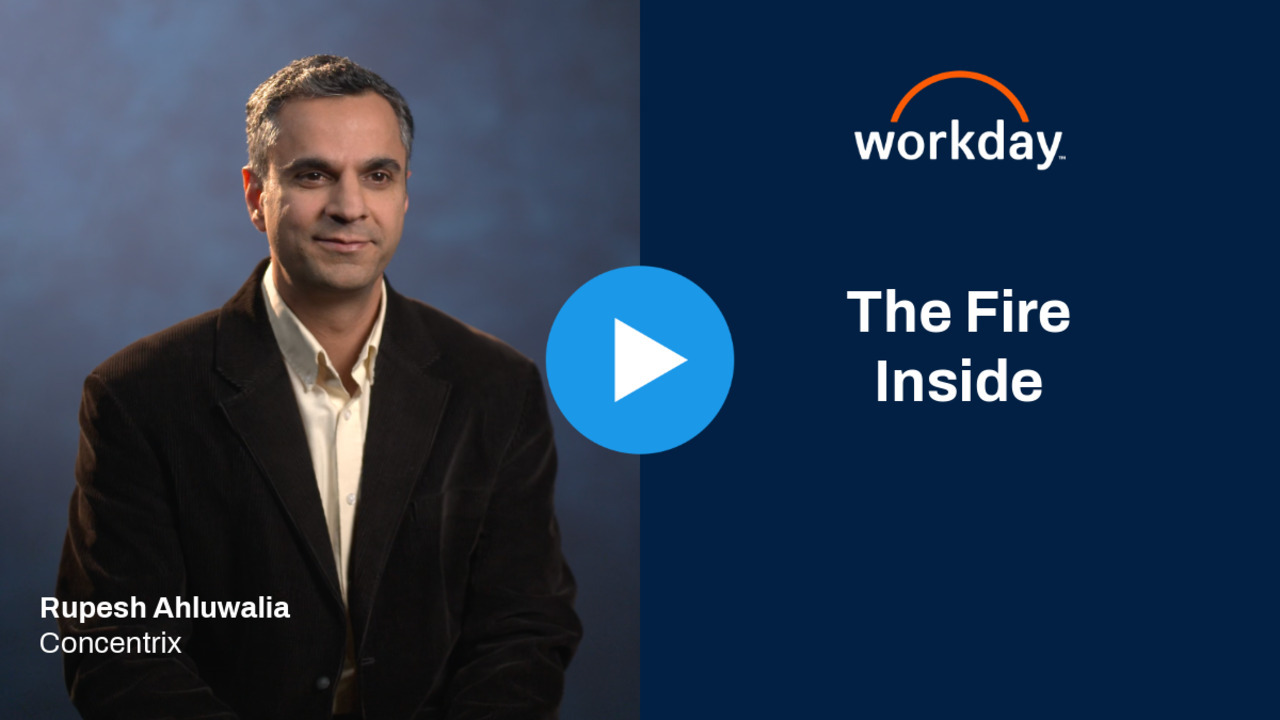
Find out how Rupesh Ahluwalia is driven by competitive fire, radical empathy, and dreaming much, much bigger
Emma Coppin
Content Lead, Multimedia Storytelling
Workday
Find out how Rupesh Ahluwalia is driven by competitive fire, radical empathy, and dreaming much, much bigger
Emma Coppin
Content Lead, Multimedia Storytelling
Workday
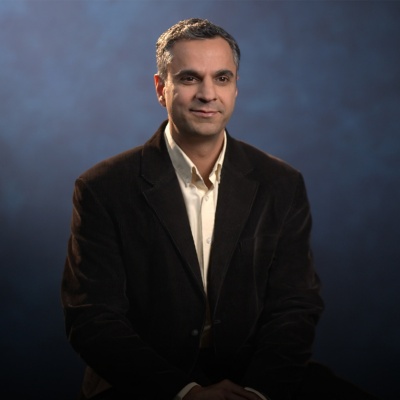
Rupesh Ahluwalia has built a career managing complexity on a global scale. The secret, he'll tell you, has nothing to do with systems.
"A lot of people wouldn't think I'm as competitive as I am."
It's an unexpected thing to say for someone who oversees HR systems for a company serving 70 countries. But Ahluwalia, vice president of global HR information systems and transformation at Concentrix, has risen to this level because he competes quietly. Underneath the calm demeanor there is, as he puts it, "a big fire burning inside."
That fire was lit early, on a sports field. Ahluwalia grew up playing team sports, learning the way individual effort contributes to collective success. Later, he turned to tennis—a solo sport, with its own valuable lessons.
"You find yourself in places when you're lonely," he says. "It could be really tough when you're losing, when you're not playing well on a certain day." In team sports, there's always someone to lift you. In individual sports, Ahluwalia learned, you figure out how to lift yourself.
He never stopped playing and carried those lessons right into his career.

"A lot of people wouldn't think I'm as competitive as I am."
Report
Leadership at this scale, it turns out, is both an individual and team endeavor. There are moments of collective momentum, as Ahluwalia directs a workforce spread across 15 countries and five continents.
And then there are the other moments: sitting alone in a room at 11 at night, working out a problem that won't wait for morning, with no one to act as a sounding board or collaborative partner. "Things can be lonely," he says, "even when you are part of a big corporation with 450,000 people."
What Ahluwalia has built over the years is a way of meeting both kinds of days the same way. "There are days when you feel low and down. There are days when you feel really optimistic. But how do you treat them the same?"
It is a discipline he has practiced long enough that it’s become instinct: be present for your people, keep going when it's hard, and when things are good, start assessing opportunities for meeting whatever the future may bring.
His mantra is deliberately unpretentious: this too shall pass. Good days and hard days alike are only temporary, and both offer valuable lessons. "Tomorrow is a new day," he says. "You always live to see the next day."
"Things can be lonely, even when you are part of a big corporation with 450,000 people."
It's a philosophy that has had to hold up everywhere. Ahluwalia manages a team where almost no one is in the same room—working across time zones, cultures, and contexts that most of their colleagues will never fully see. His response isn’t more work meetings, but rather something more deliberate: human connection.
"The one trait I would say is so important in this day and age—when everything's about the machines, everything's about AI—is empathy." He's learned it through travel, through sitting across from people and understanding, concretely, that they are carrying a life he knows almost nothing about.
"You almost paint everyone with the same brush," he says, "unless you start to know people a lot more." His teams have events with no agenda and a strict rule: no work talk. Just people, in their Christmas jumpers or their summer clothes, enjoying the freedom to recenter and connect as their authentic selves. And, importantly, to remember that they are more than their function.
"The one trait I would say is so important in this day and age—when everything's about the machines, everything's about AI—is empathy."
What's next for Ahluwalia? He is genuinely excited by what technology is making possible and the scale of the dream that AI puts within reach. "Imagine tomorrow to be much, much better than today," he urges, eyes on what could be. "We are all very lucky that we live in this era where we can dream."
On a more personal note, there's a village tennis tournament with his name on it. He won it a decade ago, and he fully intends to win it again. His kids, however, have other ideas about his chances, believing the students have surpassed the master.
And yet, he is undeterred.
To learn more about how Concentrix is driving global HR transformation, check out the story here.
Report