2. Emotional Intelligence and Empathy
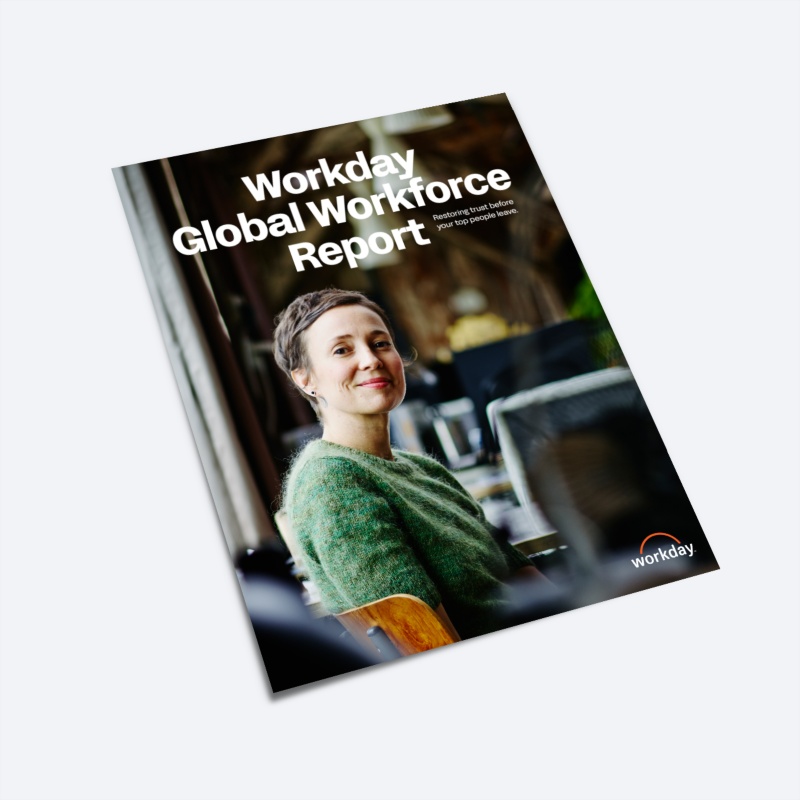
Emotional intelligence underpins interpersonal relationships at every level at the workplace, and it's a non-negotiable for building strong workplace cultures that retain top employees. Korn Ferry reports that leaders with emotional intelligence show retention rates nearly 30 points higher than those without it.
It's also a crucial capability for leaders and employees alike when navigating times of change like the AI revolution we're in now. Emotional intelligence factors like self-awareness, self-regulation, and social awareness are all crucial for staying adaptable and resilient in workplace environments as they change.
Empathy is a deeply human skill that AI systems can’t replicate. And as technology takes on more executional work and heightens the stakes around trust, morale, and the human experience of change, it’s becoming increasingly important.
3. Collaboration and Relationship Building
AI has made it easier than ever to collaborate across departments and locations. In today's world of decentralized work and hybrid workplace models, this is a must. But with that capability comes the need for better collaboration and relationship-building across teams.
Workday found, for example, that most CFOs now rely on both financial and non-financial data to plan and make decisions. But having access to that data requires a strong partnership with the CIO and other business leaders across the org.
In other words, AI delivers the platform systems and data insight to power truly cross-functional operations, but teams can only realize value from it if they know how to work successfully together toward shared goals.
4. Creativity and Innovation
AI has dramatically lowered the barrier to generating new ideas, content, and potential solutions. Teams can explore more options—faster—across everything from product development to marketing campaigns to process design. But volume alone doesn’t guarantee quality or authenticity without humans at the helm.
Human employees understand their companies, customers, and markets in ways machines can’t replicate, even with all the data in the world. People also remain the ultimate gatekeepers of originality. No matter how effectively AI accelerates brainstorming or scales content, it can't produce work that's truly original or grounded in lived context.
As organizations push to innovate with AI, human creativity remains essential for shaping innovation with intent. AI can support the process, but people still decide which problems are worth solving and when experimentation should turn into execution.
Leaders are recognizing the human imperative: According to the World Economic Forum, creative thinking ranks in the top five core skills employers see as growing in importance through 2030.