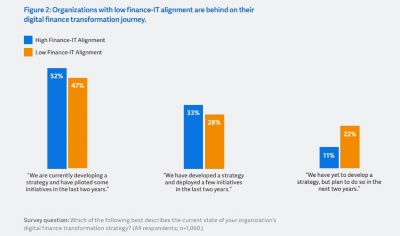
Align with IT leaders on shared outcomes like agility, data trust, and operational scalability, and develop a roadmap to connect financial planning needs to IT capabilities. Create an environment where the CFO and CIO (and their teams) work together regularly to maintain cohesive and effective systems.
3. Adopt a Holistic Financial Planning Platform
Select a planning platform that brings together financial, operational, and workforce data in one place. The goal is to eliminate silos, ensure consistency, and enable real-time collaboration across departments. Solutions like Workday support this by enabling modeling, forecasting, and reporting from a single source of truth so teams can adapt and make decisions with confidence.
4. Build Skills for Strategic Financial Leadership
Evaluate current team capabilities. Identify skill gaps in areas like data analysis, modeling, systems thinking, and business partnering. Prioritize targeted talent recruitment and development that builds fluency in planning tools, enables cross-functional collaboration, and strengthens data storytelling. Align these efforts with internal mobility so top performers can grow into more strategic roles, helping finance scale its impact as a partner to the business.
5. Operationalize Continuous Planning
Shift from static annual cycles to a planning model that runs alongside the business. Start by replacing one or two annual processes—like headcount planning or expense forecasting—with quarterly or monthly iterations. Use scenario modeling to test assumptions before committing resources, and build planning checkpoints into business reviews so adjustments happen as part of regular operations (not in a reactionary way).