5. Proactive Risk Management
The days of linear planning are gone. In today’s business environment, CFOs must prepare for disruption proactively. In fact, managing risk was identified by a recent Travelers survey as a top-three skill for CFOs today, alongside related skills like managing complex stakeholder networks and planning for resiliency.
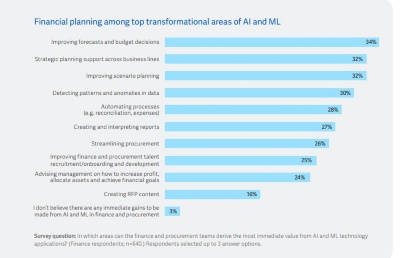
This requires embedding scenario thinking into everyday decision-making to keep financial plans flexible. Leading CFOs operationalize smart risk management to promote strong financial health using a mix of systems and strategies that include:
1. Dynamic forecasting models: Continuous scenario modeling that tests how shifts in markets, supply chains, or policy could affect financial outcomes.
2. Real-time risk signals: Integrated data dashboards that track leading indicators, giving CFOs visibility into emerging issues before they escalate.
3. Response frameworks: Clearly defined decision paths—like spend adjustments or capital reallocation triggers—that enable fast, coordinated action when risks materialize.
In combination with other important skills, like a broader strategic lens on the business and collaboration with other leaders, CFO-led risk management is a powerful contributor to organizational resilience.