There’s been no shortage of buzz around artificial intelligence (AI) and its transformative impact on how businesses operate across industries. But did you know it’s also changing the way we learn? AI in education is creating personalized learning experiences that are making the student experience more efficient and engaging at every level.
Traditional education systems faced challenges around how to teach large groups of students while also meeting their individual learning needs. With AI, educators can not only do this at scale, but also cater to student preferences and interests. They can give students an unprecedented level of visibility and control over their learning experience.
At the same time, they can make their internal processes more efficient and reliable so that instructors and administrators can spend more time focusing on actual student interaction.
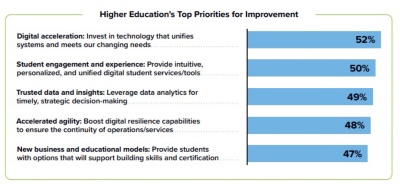
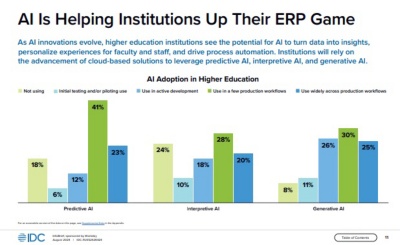
A recent survey by EDUCAUSE of more than 800 higher education institutions found that 57% are prioritizing AI in 2025—up from 49% last year. As motivation behind AI adoption grows, it’s becoming a competitive imperative for colleges and universities that want to provide the type of experience today’s students want and expect.
But while AI is redefining how education is delivered, it also raises important questions. How can schools ensure AI stays fair and unbiased? What safeguards are necessary to protect student data? And how will the role of human educators evolve as AI takes on a greater presence in the classroom?
As AI becomes a central part of the learning experience, the challenge lies in striking the right balance—leveraging AI’s full potential to enhance education delivery while maintaining a human connection to make it meaningful.