Aligning talent with business strategy.
As part of a broader transformation, Rolls-Royce set out to become a more competitive and agile business. A key element of this journey involved rethinking how the organization defines and manages talent—shifting from static job roles to a dynamic, skills-first approach.
This shift enables better alignment between workforce capabilities and business priorities while giving employees clearer visibility into growth and development opportunities.
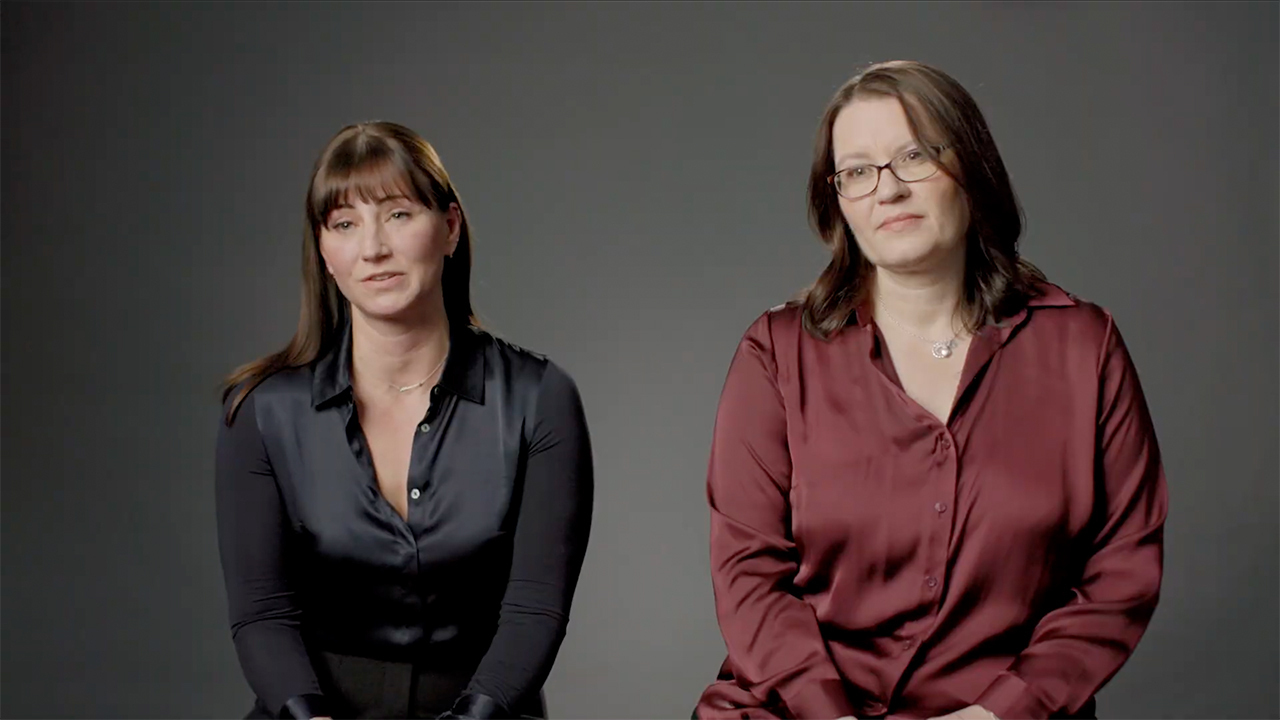
“It centres around the skills people have—not necessarily the ones linked to their current job,” says Sharon Etheridge, head of People Services, Strategy, and Transformation. “That shift helps us better align our people with where we’re headed as a business.”
Creating a common language for skills.
To bring this vision to life, Rolls-Royce partnered with Workday to create a consistent, enterprisewide approach to skills. With Workday Skills Cloud and the Workday taxonomy, the business now uses a shared framework to describe, map, and report on skills across its global workforce.
Tools such as career hub and manager insights provide personalized development recommendations, while Workday Prism Analytics and discovery boards offer visibility into skills by business unit, geography, and diversity attributes.
“Workday gives us a common currency of skills across our HR processes. It allows us to connect the dots—so we know where we have the right capabilities, where we don’t, and where we need to grow.”
Head of People Services, Strategy, and Transformation
Meeting compliance with greater efficiency.
Operating in a regulated industry, Rolls-Royce must track workforce training and competencies with precision. Previously managed manually via spreadsheets, these processes are now embedded in Workday—streamlining operations and improving oversight.
“We’ve built our assessment criteria directly into Workday using the skills taxonomy,” says Andrea Hyde, Workday practice lead. “What used to be tracked in offline processes is now centralised—so we can quickly ensure we’re meeting our obligations.”
Empowering employees to drive their own development.
Workday is also helping Rolls-Royce deliver a more engaging employee experience. Colleagues are encouraged to maintain their skills profiles and access learning and mentoring opportunities that match their interests and career goals.
“Employees are responsible for managing their own destiny,” says Hyde. “They can see what’s in it for them—whether it’s personalised learning, mentoring, or visibility into new career opportunities.”
This data-driven approach is helping managers better support their teams—and helping HR make smarter, faster decisions.
“I’m really excited about how Workday is embedding AI. It releases our people from labour-intensive tasks and gives us more time to steer the business—not just report on it.”
Head of People Services, Strategy, and Transformation
Unlocking capacity with AI and automation.
Workday automation and AI capabilities are freeing up HR teams to focus on high-value, strategic work. With less time spent on repetitive admin tasks, leaders can prioritize organizational development and long-term workforce planning.
“AI takes away repetitive tasks and allows HR to be a strategic partner,” says Hyde.
“I’m really excited about how Workday is embedding AI,” adds Etheridge. “It releases our people from labour-intensive tasks and gives us more time to steer the business—not just report on it.”
Building a workforce ready for what’s next.
By putting skills at the heart of its workforce strategy, Rolls-Royce is gaining the agility, insight, and structure it needs to prepare for the future. With Workday, the company has created a consistent and connected skills infrastructure that empowers people and drives performance.
“Workday gives us the insight we need to support people development and drive transformation across the business,” says Etheridge.