4 Key Benefits of Workforce Intelligence
Workforce intelligence solutions deliver a clear return on investment by enabling quality, speed, and confidence in all workforce decisions. When HR leaders can see workforce capacity and risk, talent investments are better budgeted and HR’s strategic impact is easier to demonstrate.
These gains show up across the workforce lifecycle, shaping how organizations plan, hire, develop, and deploy talent. Here are four key benefits of implementing workforce intelligence in the modern workplace.
1. Confident Planning and Scenario Readiness
Traditional workforce planning relied on assumptions, lagging indicators, and static headcount models. Today, by combining real-time workforce data with predictive data signals, companies can model scenarios to predict trends such as:
- Growth shifts: Changes in hiring demand tied to market expansion, contraction, or changes in business mix
- Attrition spikes: Increases in voluntary turnover within critical roles, teams, or skill groups
- New skill demands: Emerging capability needs driven by technology adoption, product changes, or operating model shifts
- Capacity constraints: Shortfalls in available talent that affect delivery timelines or service levels
- Succession risk: Limited readiness for key roles due to leadership gaps or uneven internal pipelines
HR teams can then stress-test those plans, evaluate tradeoffs, and adjust course early rather than waiting for gaps to appear.
2. Skills-Based Talent Models
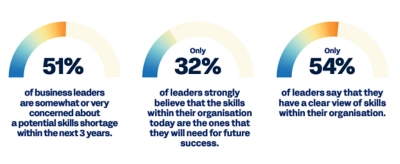
Skills are now the top currency for talent success. More than half (55%) of organizations have already adopted a skills-based approach to talent management to maximize internal talent and ROI on external hiring strategies. Another 23% will do so within the next year.
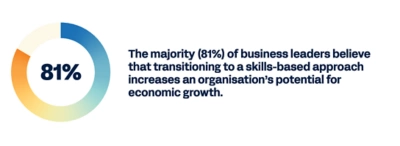
Further, 81% say they believe transitioning to skills-based hiring models better positions companies for economic growth. By embracing a true skills-based approach, companies further support ongoing learning and development by tracking employee skills across the organization.