Lesson 5: Think Like an Owner, Even If You’re Not One (Yet)
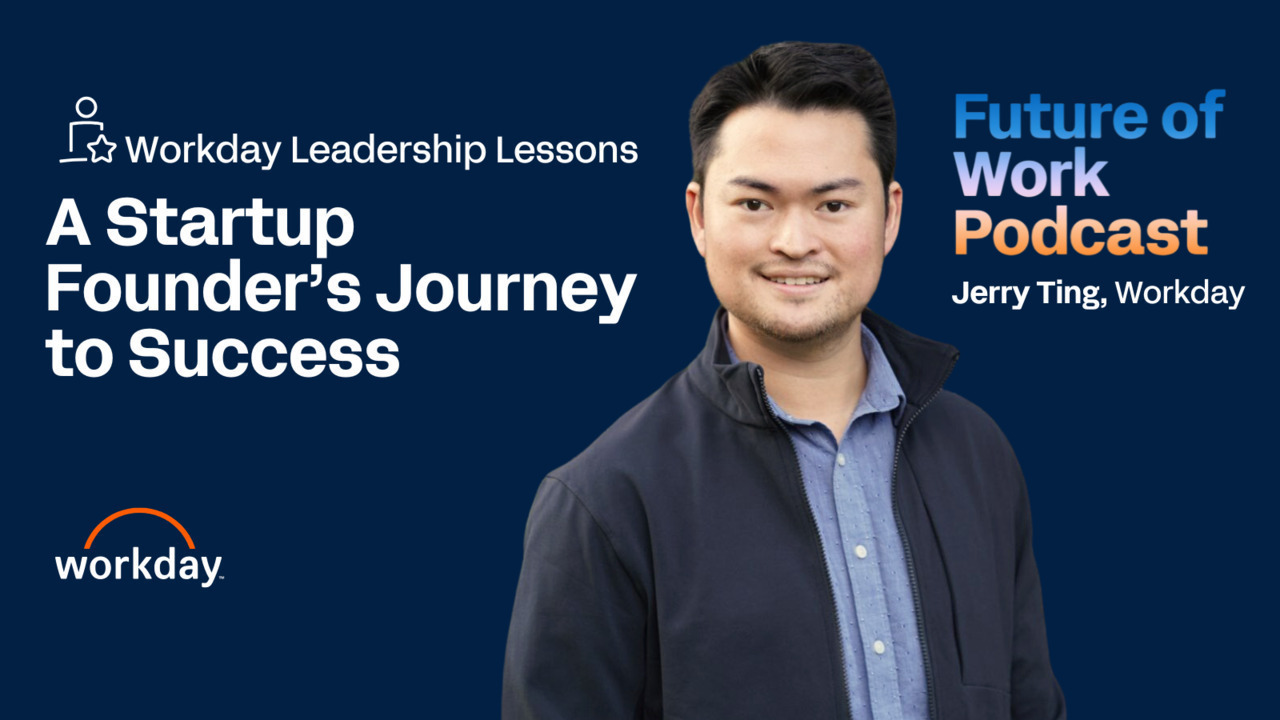
Long before Evisort was acquired, Ting ran the company like it was his to lose. That mindset—seeing the full picture, making hard tradeoffs, and staying close to every decision—shaped not only how he built the company, but how he navigated what came next.
When acquisition talks began, it wasn’t just about valuation or market fit. It was emotional.
“We created our dream job,” he said. “So if we don’t have that job, how does that impact us and our employees?”
That question weighed heavily. Ting wasn’t looking for an exit, he was looking for a way to keep building, at a greater scale. Fortunately, Workday made that possible. The entire team came over. The work continued. The mission stayed intact, but with more resources, more reach, and more room to grow.
What made the transition work was the culture Evisort had built. It wasn’t a founder-dependent operation. It was a team driven by shared values, clarity of purpose, and high standards, one that could plug into an enterprise environment without losing its identity.
Now inside a much larger organization, he hasn’t abandoned that lens. If anything, it’s sharpened. At Workday, he brings that founder perspective to product innovation, team leadership, and enterprise decision-making without needing to be in the CEO seat.
He also helps lead the development of AI agents—software that can handle routine, manual tasks so people can focus on higher-value work. His interest in agents grew naturally from his experience at Evisort, where AI was used to remove friction from legal workflows. Now, he’s applying that same logic at scale, helping reimagine how AI can support the workforce across industries.
If you're building something of your own, especially with an eye toward scale or acquisition, Ting says long-term survival comes down to three personal traits:
- Tenacity: You’re going to run into problems you’ve never seen before. You can’t quit just because it’s unfamiliar.
- Problem solving: One day you’re head of HR, the next you’re running sales. You’re learning fast, and often in public.
- Relationship-building: How you treat people—customers, employees, investors—matters. When people trust your intent, they give you room to figure things out.
Strong teams and clear goals can get you through the easy days. These traits are what carry you through the hard ones.
From doing the unscalable work to building culture with intent, from holding the talent bar high to never outsourcing conviction, Ting’s story is a reminder that good leadership compounds. And for leaders willing to think like owners, now really is the best time to build.
Looking to take your company culture to the next level? Read our global report Elevating Human Potential to find out how AI is transforming work, learning and skills development.