
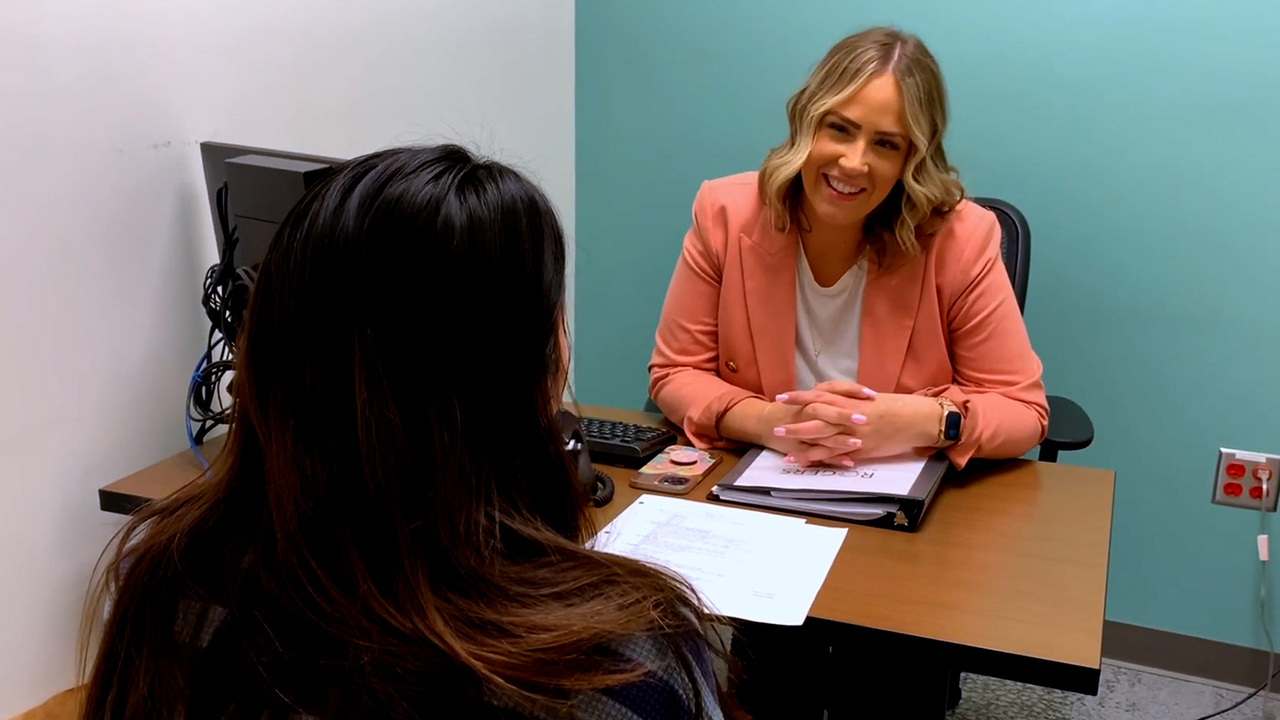
Rogers Behavioral Health is a national nonprofit that provides specialized mental health and addiction treatment through inpatient, residential, and outpatient programs. Its teams care for people facing obsessive-compulsive disorder (OCD), anxiety, depression, trauma, eating disorders, and substance use disorders. Operating in ten states, Rogers is driven by a clear mission: to make behavioral health care more accessible and deliver effective, evidence-based treatment.
As the organization grew, so did its challenges. A vast network of clinicians, nurses, therapists, and support staff depended on outdated systems that couldn’t keep up with the pace of change or the evolving needs of patients.
Replacing segmented systems with a unified platform.
For years, Rogers relied on disconnected systems that required time-consuming manual work and made it hard for teams to see the full picture. That fragmentation pulled focus from what mattered most—helping patients heal.
To bring its people and processes together, Rogers implemented Workday Human Capital Management and Financial Management at the same time. The move helped connect teams and information across the organization. As interim CFO Eric Wittnebel says, “We were no longer operating in silos as just HR or just finance.”
Automating for peace of mind.
The finance team struggled with one particularly painful process before Workday. Revenue integration from the Electronic Health Record (EHR) was 100% manual. The finance team had to painstakingly extract, transform, and load revenue figures from the clinical system's output into their legacy accounting system. This was time-intensive and inefficient.
With Workday Accounting Center, Rogers was able to completely automate this integration, eliminating manual entry and coding errors while improving data integrity and team morale. “I can’t quantify the amount of stress this has reduced for the team,” says Wittnebel.
Removing the noise, restoring the focus.
At Rogers Behavioral Health, focus is everything. In treatment, reducing distractions helps patients fully engage in their recovery. The same idea applies to how the organization runs behind the scenes. By using Workday’s Accounting Center, Rogers removes operational distractions, creating space for staff to focus on what matters most—delivering compassionate, effective care.
There’s a meaningful parallel between the way Rogers supports its patients and the way Workday supports Rogers. Just as therapists help patients clear mental clutter to focus on healing, Workday streamlines financial processes so teams can stay centered on their mission. The result is both practical and profound: stronger financial integrity, smoother operations, and a better overall patient experience—one grounded in trust, transparency, and care.
Data-driven, patient-centric care.
Looking ahead, Rogers will continue to use Workday to reduce administrative burden and drive better outcomes. Workday AI capabilities are key to this vision.
By streamlining repetitive tasks, the goal is to free up care staff. Our caregivers will spend less time charting and documenting, and more time patient facing. It allows us to deliver care in a more clinically informed, data-driven way than we've ever been able to before.
“With Workday, Rogers is able to help our patients meet their mental health challenges head on.”
Workday AI will deliver data-driven results to support better patient care and more positive patient outcomes.
Interim CFO