The Chief Work Officer: Orchestrating Human-Machine Collaboration
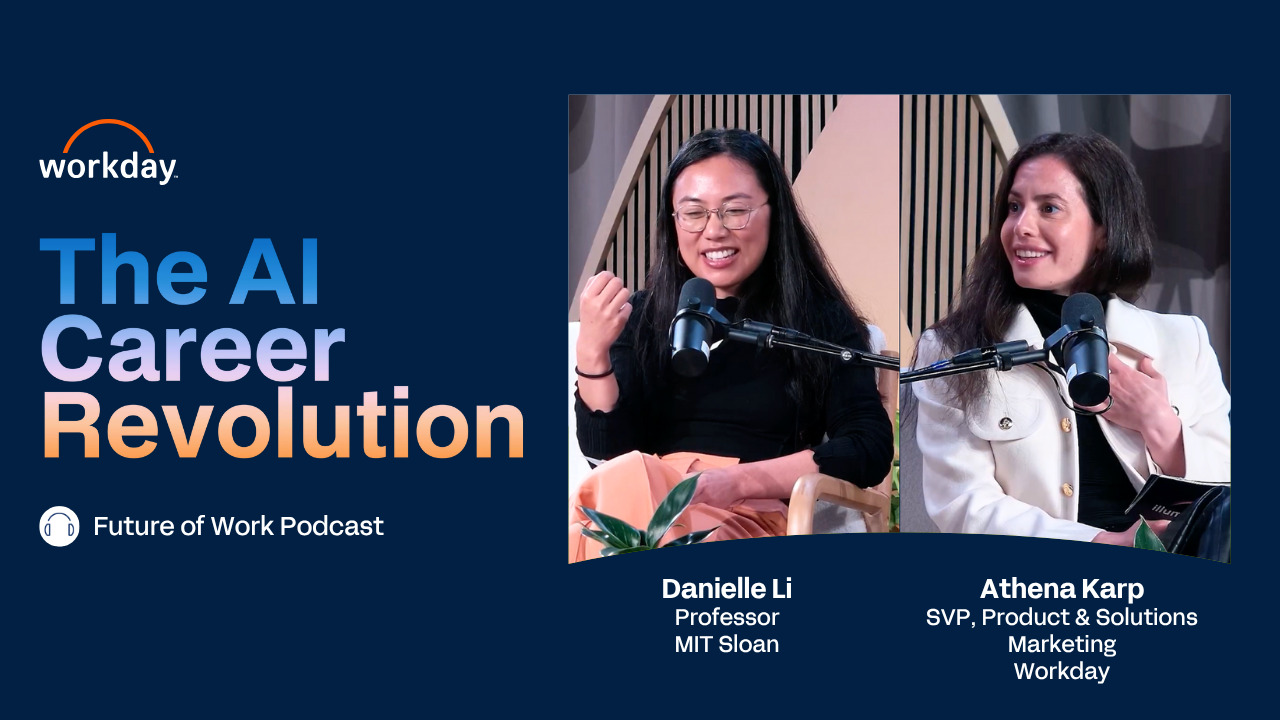
Karp introduced a new concept: the Chief Work Officer (CWO). This role isn’t just about IT or HR. It’s about orchestrating how AI and humans collaborate across the entire organization.
Karp explained that the Chief Work Officer is not necessarily a singular role, but a cross-functional leadership mindset focused on continuously optimizing how work is performed in the era of AI augmentation. The Chief Work Officer will connect the dots between business strategy, AI technologies, employee readiness, and organizational learning. Think of it as a conductor for human-machine workflows.
The CWO collaborates across HR, IT, and business units to ensure:
Work is thoughtfully decomposed between humans and AI
Employees are supported with real-time tools and training
AI is implemented to unlock strategic value, not just reduce costs
Organizational learning keeps pace with technological change
This role is forward-looking by design. It isn’t just about managing current systems, but preparing the organization for roles, skills, and workflows that don’t exist yet.
"The most important part of that role is: how do you have every employee be ready—and continually be ready—for success in that human-machine collaboration?” said Karp.
As AI continues to evolve, the CWO must prioritize adaptability as the real key to long-term organizational success. The role must also ensure that strategic growth, not just cost-cutting, is the lens through which AI adoption is managed.
If there's one thread that runs through this conversation, it's this: AI is a multiplier, not a replacement. It can amplify human capability, accelerate learning, and rebuild trust in systems that have historically excluded people. But only if we design for that outcome.
The future of work isn't just about deploying AI. It's about redesigning the conditions under which people grow, learn, and thrive—together with machines.
Over half of business leaders are concerned about talent shortages—and only 32% are confident their organization has the skills needed for success. See how AI is transforming skills management in this report.