Human Resources
Switching Gears: An Engineer’s Path to Coaching
Discover how former civil engineer Jeanette Jordan transitioned into a thriving 6-figure executive coach.

Emily Faracca
Multimedia Content Writer
Workday

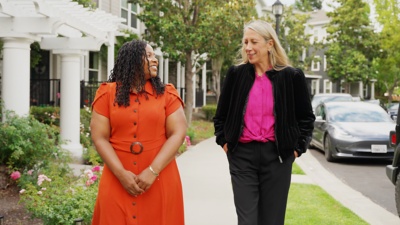
Discover how former civil engineer Jeanette Jordan transitioned into a thriving 6-figure executive coach.
Emily Faracca
Multimedia Content Writer
Workday
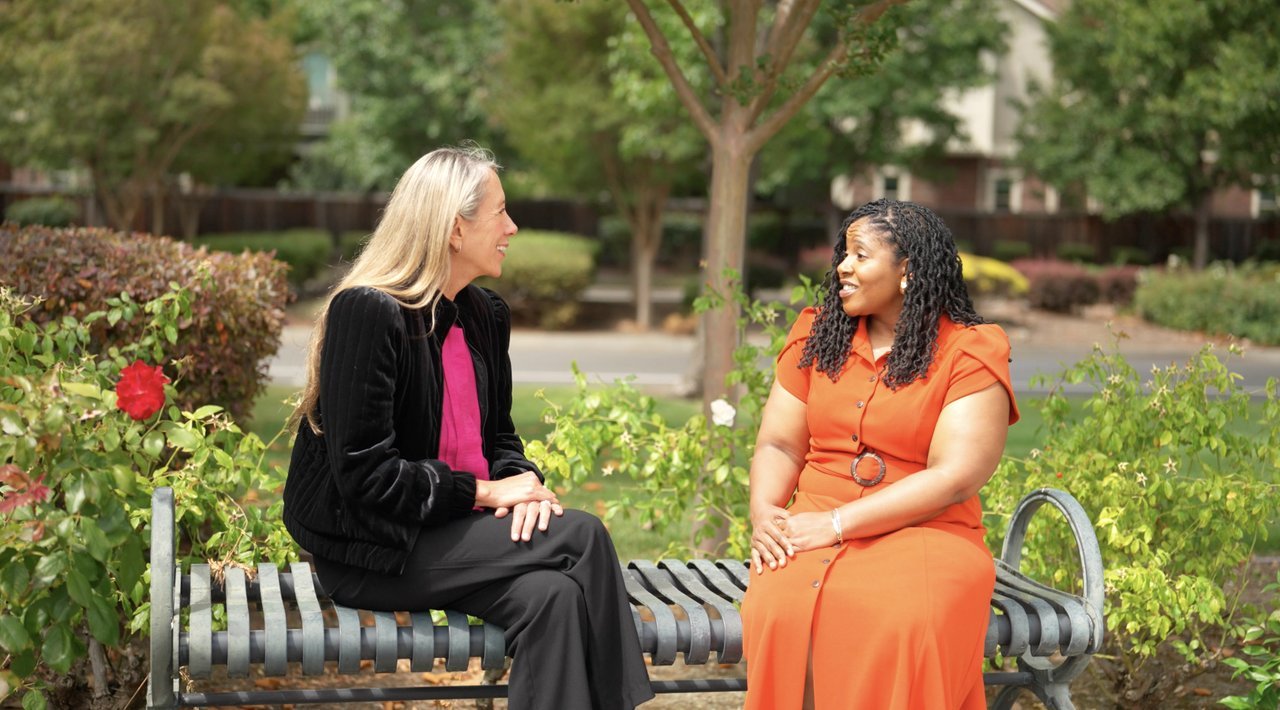
When economic shifts and severe burnout derailed her initial plans, Jeanette Jordan didn't back down. She pivoted.
In this episode of Switching Gears, hosted by Workday Chief Impact Officer Carrie Varoquiers, Jordan shares how she transitioned from construction management into tech advertising, and ultimately into a fulfilling career as an executive coach. By pairing strategic self-awareness with a willingness to rest and recalibrate, she turned unexpected disruptions into opportunities for growth.
Her story is a powerful reminder that following your curiosity can guide you toward a purpose-filled career you love.
Carrie Varoquiers
Welcome to Switching Gears, where we have conversations with real people who have successfully navigated major career pivots. I'm your host, Carrie Varoquiers, and today we're here to meet Jeanette Jordan, who has successfully navigated two major career changes into a purpose-filled career as an executive coach. Let's go meet her. Hi, Jeanette. I'm Carrie. It's so great to meet you.
Jeanette Jordan
So great to meet you.
Varoquiers
Thank you so much for being a part of Switching Gears today. I understand that you've gone through two major career pivots and now you're in work that you love.
Jordan
Yes. I'm excited to talk to you today.
Varoquiers
Yeah, I can't wait to hear more about your story. Let's take a walk.
Jordan
Okay.
Varoquiers
I would love to start from the beginning. So if you wouldn't mind, how did you get started in your first career?
Jordan
Yeah, my first career was actually construction management. And I got started in my first career as thinking about it as a young kid. I used to love to build things, love to take things apart. And my dad was really encouraging of my career. And so I thought I wanted to be an architect and he actually bought me AutoCAD software to start playing with an addition that they wanted to put on the home.
Varoquiers
Okay. I love that. So did you study architecture in college?
Jordan
I did not end up studying architecture. I actually had some teachers and advisors. At the time, architecture, I'm going to date myself, was still about drawing freehand. And so they said I was not a great artist. And so they encouraged me to do engineering so I could build from more of a math and science standpoint, which I did. Funny enough, by the time I got to college, everything was computer aided design. Of course. Yes.
Varoquiers
Well, that's okay. That's when that AutoCAD skillset probably came into good use.
Jordan
Exactly.
Varoquiers
So from college, where'd you go after that?
Jordan
Yeah, I actually started in the Maryland, DC area. I used to build houses and mixed use properties.
Varoquiers
Oh, wow. Okay. And did you enjoy that career?
Jordan
I loved that career. Unfortunately, the housing crisis hit and so the industry changed, the dynamics changed, and I felt like I was forced out of that career, not by choice, but just because of what was happening in the economy.
Varoquiers
Oh, okay. So it sounds like you loved your job.
Jordan
I loved my job.
Varoquiers
Felt like you had to change just so that you could remain financially solvent. What'd you end up doing?
Jordan
Well, thankfully I had realized I needed to be a better manager. So I ended up starting to lead teams on the construction site, but I didn't have a management curriculum or skillset. So I enrolled part-time at a business school that was down the street from my construction site. And so when that actual site was shutting down, I decided to just go to school full-time and finish my MBA.
Varoquiers
Okay. It's pretty impressive that you had the self-awareness that you needed to gain new skills as a manager. My hat's off to you for that. I hope that you gained that in your MBA when you decided that you needed to take a career turn. Where did you go after the MBA program?
Jordan
Yeah, so I actually leveraged the career coaching team in my business school, which is really helpful that I had enrolled at the time, kind of being forward looking on my skillset. And I decided to make a really dramatic pivot into tech.
Varoquiers
Oh, okay. And is that just the engineer in you that thought, I'm going to decide that I want to put all of my STEM passions to use in tech? Or how did you decide tech?
Jordan
So it was really interesting in tech. I actually had a creative side that I wasn't necessarily nurturing in my construction career. I actually always loved advertising and I loved jingles. And so I kind of had this question of what could I do? How could I use this math knowledge to get closer to advertising? It seemed really fun. It seemed really creative.
Varoquiers
So then you spent a decade…
Jordan
A decade.
Varoquiers
Doing product marketing in tech.
Jordan
Yeah. Advertising and marketing technology companies. I did it.
Varoquiers
Yeah. So after a successful decade in marketing and advertising in tech, what made you decide that you wanted another major career pivot?
Jordan
I mean, wanted maybe a strong word. Again, I feel like I needed to make a transition after a decade. I felt really burnt out and I had a lot of personal stuff going on. I had gone through a divorce. I had had two little kids at this time, so I really burnt myself out kind of personally and professionally, and I felt like it was really time for a change.
Varoquiers
You were feeling burnt out and you knew that you needed to make a change out of that high paced, high pressure world of tech. How did you even approach another career pivot?
Jordan
One of the things I actually started with is practicality, my finances. I had a conversation with my financial advisor and she posed this question to me that still sticks with me today. And she said, "What do you think your emergency savings is for?" And I was like, "I don't know, a car leak." And she was like, "But it's also for you. It's also for you to take care of yourself. So I want you to be thinking about if I did my job well, you should have a cushion to think about this time so that you can explore that you could rest.You're a knowledge worker, so taking care of your actual mind is really important."
Varoquiers
Wow, that's incredible advice. So where did you go from there with that, knowing that you had this financial stability that would allow you to think about what to do next? How did you hone in on what it is you wanted to do?
Jordan
I had saved up, I had my emergency savings and I took seven months off.
Varoquiers
Oh, wow. Okay. So during that seven months, was it career exploration or what were you doing with that time?
Jordan
Yeah. Well, I mean, the first month I actually did just rest. I just rested. I had some fun. I went to the rose garden. I started to live. I put some more live back into my work-life balance. But then I actually joined my own kind of career transition program. I went back for coaching. I didn't know what I wanted to do. And so I joined a mastermind of a bunch of people who were in career transitions, and a lot of us are still great friends today. And that was really eye-opening. I thought I was going to go into entertainment and maybe do something with marketing there, and the pandemic happened. Entertainment was shut down. And so even within my transition, I had to actually think again and make a mini pivot about what I wanted to do. But that company actually offered me a coaching position.
Varoquiers
Oh, wow.
Jordan
And so six years later, I still actually work with them as a great partner, but that really opened my eyes that somebody saw something in me and was like, "You're a really great coach. I see how you show up in group. I see the kind of questions you ask. Have you thought about coaching? Would you be open to joining us?"
Varoquiers
So what was that aha moment where you thought, yes, this is a career that I want to pursue?
Jordan
Really having someone offer to pay me for this skillset, right? That was really an eye-opening moment. I had been coaching. I had been helping people with their resume and giving career advice for over a decade. I had not thought about monetizing that skillset, and that was a real light bulb moment for me. So I gave myself a year to make six figures and I was able to do it in six months.
Varoquiers
Oh my gosh, that is remarkable. Congratulations.
Jordan
Thank you.
Varoquiers
Jeanette, you have navigated two major career pivots really successfully. For the viewers that are watching, what one piece of advice would you give to those people right now?
Jordan
I think it's important to follow your curiosity. That has really helped guide me. What are the things that you love to do? What are the things that you're already doing that you're passionate about, that you're doing for free, that you might not be monetizing, right? And then I think you need to temper that with some practicality, right? I do think it's important to not quit everything and decide to go be a painter, but what is it that you love about painting, right? Is it getting into the flow state? Is it being creative? Is it the actual outcome that you produce really great experiences for people? Think about the activities that you love and start to think about how you bring those activities into your everyday life.
Varoquiers
Getting advice from a professional executive coach is invaluable. Thank you so much for sharing your time with us and the audience today. We really appreciate you being a part of Switching Gears and thank you for tuning in. We'll see you next time.

Report

A gap between effort and impact is the real ROI problem. Discover the solution.