Investing in Skills to Lift National Productivity
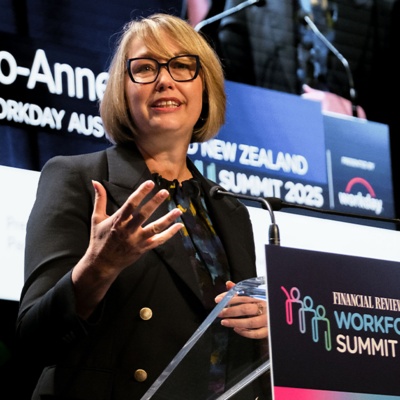
An issue discussed in almost every session throughout the day was the need to increase national labour productivity. Simon Tate, APAC President at Workday, addressed this in his keynote, stating unequivocally that the days are gone where the ability to lift productivity is driven by employee capacity. We must instead increase 'yield per employee', by focusing on skills.
This skills-based approach takes on even greater significance when we consider the generational diversity within today’s workforce. As Tate noted, we are about to enter a time when the age of the Australian workforce will span from 18 to 80, presenting a unique opportunity to unlock productivity by harnessing the distinct skills and perspectives of each generation.
However, this generational tapestry also presents complexities. Communication styles, tolerance for legacy technology and professional development are all impacted by the 'Five-Gen Effect'. Tate urged organisations to leverage the digital fluency of Gen Z and Gen Alpha — only two years away from joining the workforce — to address the digital skills shortage.
But the nuances of generational preferences extend beyond technology. A compelling panel discussion featuring HR leaders from Telstra, SEEK, and Google explored how to get the most out of Gen Z employees, noting their unique preferences for work-life balance and flexible working, as well as in-person collaboration and social programs.
Managing people effectively in this multigenerational environment also requires a shift in leadership skills. Karen Lonergan, Chief People Officer at PwC Australia, aptly noted that leaders need to be comfortable with ambiguity and move away from older 'command and control' leadership styles that don't reflect the nuances required in modern, hybrid workplaces.